Over a thousand students attend HackMIT 2026
The grand prize winner, Peel, is a low-cost physical scanner for counterfeit pill medicine




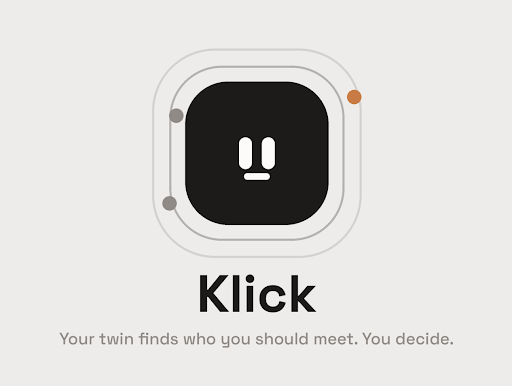
Photo from the HackMIT Plume Project Gallery
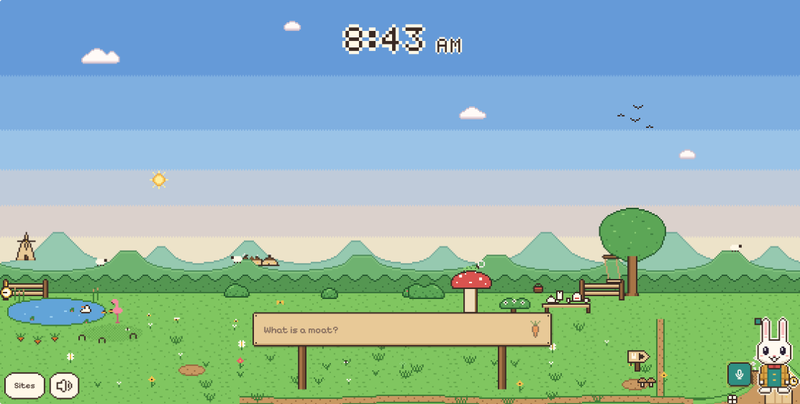
Photo from the HackMIT Plume Project Gallery
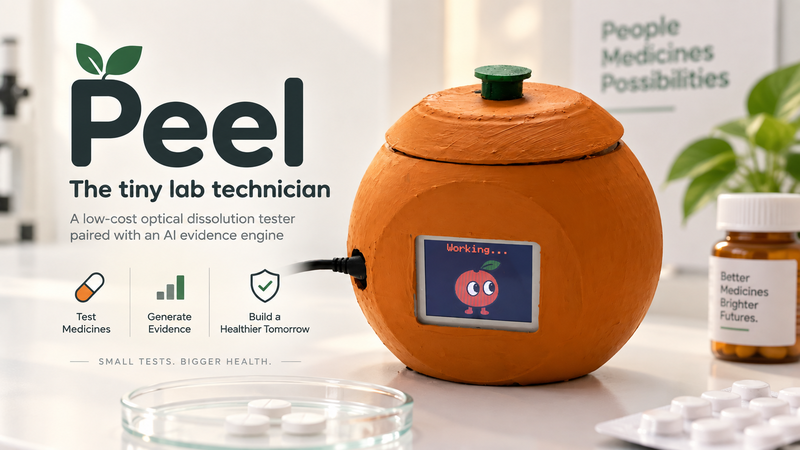
Photo from the HackMIT Plume Project Gallery
Over the weekend of Sept. 19–20, over a thousand students from more than 200 colleges across the country gathered at MIT to turn ideas into projects at HackMIT. Within just 24 hours of building, these students created nearly 300 projects, ranging from the ultimate AI caregiver to a real-life Clash Royale battle in augmented reality.
But the finished projects were only one part of the weekend. From workshops with SpaceXAI to talks with Y Combinator during HackWeek, the events leading up to the hackathon made HackMIT about more than just the competition. For participants, the experience was also about the people and community who made the event possible.
While most students from across the country applied to secure their spots in the hackathon, first-year MIT students and MIT students hosting other competitors were guaranteed admission. In addition, the top 50 scorers of the annual capture-the-flag-style puzzle hidden in the HackMIT website were also guaranteed admission to the event. For those who were accepted, the real challenge began on Saturday.
Grant Sanderson, creator and host of the YouTube channel 3Blue1Brown, gave a keynote address at the kickoff of the event. “Build a little bit less, but prioritize the learning,” said Sanderson, emphasizing the real purpose of HackMIT behind the building craze and time crunch: to learn.
After his opening remarks, the 24-hour countdown officially began, which would conclude Sunday morning. The final projects were presented at the Johnson Ice Rink, where judges evaluated them for originality, technical complexity, and collaboration. After the first round of presentations, around 15 teams were selected to advance to the next round.
With hundreds of teams building simultaneously, each project was unique in its own goals and approaches. Some focused on design and practicality, while others were about the different applications of AI, hardware, and other technologies.
Teams could submit their project to one of four tracks: Entertainment, Education, Sustainability, or Healthcare. For instance, Burrow, a project submitted to the education track, is an AI study companion with an animated bunny named Bunny living in the browser alongside students. Rather than a chatbot, the Bunny assists learning by teaching “socratically,” nudging or hinting rather than spoiling the answer. The project won HackMIT’s track prize in Education.
Teams also had the option to participate in challenges hosted by corporate sponsors, which required participants to build applications using specific technologies or datasets.
Peel won Elastic’s Find The Signal sponsor challenge as a part of the healthcare track. The project tackled the problem of counterfeit medicine.
“We are putting a cheap lab in someone’s hand and backing it with the research power of an entire facility,” Peel’s team said.
They built a device that uses LEDs and light sensors to run a simplified version of a dissolution test on a pill, paired with an AI evidence engine that cross-references the collected data against tens of thousands of recalls, safety records, and reference products. Peel also won HackMIT's grand prize.
In the entertainment track, Klick won the Espressif Systems sponsor “Best Use of Espressif Hardware & Solutions” challenge and Meta’s “Bringing People Closer Together With AI” challenge. Klick is a program that gives participants an AI “twin” that makes networking easier. Made from a short description about a person, a twin connects with other twins and measures compatibility between people as users walk around. If a pair of twins connect, their badges turn the same color to assist users in finding one another.
The creators described their project as “our attempt to stop leaving the most important people in your life to luck.”
HackMIT 2027 will take place in September next year.