MIT pauses authorization of work-study credit programs for international students
Federal government weighs raising fee for alternative to $100,000





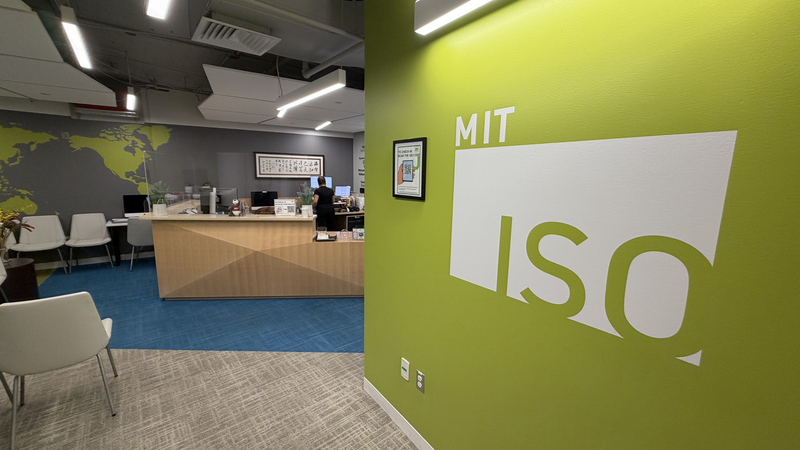
Caden Betz – The Tech
On Aug. 24, MIT and universities across the country received a broadcast message from the Student and Exchange Visitor Program (SEVP), which operates under the Department of Homeland Security. The message warned colleges of an increase in work-study authorization for international students in violation of SEVP’s standards.
SEVP’s guidance signals a stricter interpretation and enforcement of existing rules. In response, MIT has paused new work-study authorizations for international students and is reviewing the validity of current students’ authorizations.
Newly interpreted regulations
The type of authorization in question is called Curricular Practical Training (CPT), a temporary work authorization allowing international students with F-1 visas to participate in work-study programs for credit.
Students applying for CPT authorization must request approval from their university. If the student is approved, they complete structured work-study programs with organizations that cooperate with their university. In order for a CPT request to be authorized, a program must be “integral” to the field of study.
The federal administration’s change comes from the word “integral.” Previously, the term was interpreted in a way that allowed universities to authorize most CPT requests for programs deemed important to a degree. Now, in order for a program to be deemed integral, the credit must be absolutely necessary to graduate, and the program must be required of all students in a major program.
Missed opportunities
While SEVP only recently announced its new guidance, scrutiny from the federal government for international student work has already limited opportunities for MIT students.
Recent graduate Kyle Pratt ’26, an international student from Jamaica, has felt the effects of heightened regulation. “I was turned down from an internship because of the situation in the White House,” Pratt said.
Pratt said a friend had completed the same internship a year before who found the opportunity enriching. He applied to the internship to gain the same experience, but was turned down, with the company stating “they weren’t very confident in accepting an international student for the internship.”
Electrical Engineering and Computer Science (Course 6) international student Rafaa Qanash ’27 believes that “not having this trial period for students, especially international students, to do the internship will affect their full time opportunities.”
Qanash notes that many international students use internships as a “trial period” for work within the U.S. If international students never have a chance to experience what work within the U.S. is like, they are less likely to stay after graduation.
MIT’s response
When contacted about how they are helping students navigate shifting regulations, the MIT International Student Office (ISO) explained that they have been in contact with potentially impacted students as well as department heads and advisors.
“All those supporting students in this moment recognize that these kinds of changes are challenging and frustrating for our international students,” the office wrote.
Shortly after the announcement from SEVP was sent, ISO updated its page regarding CPT information, alerting students that it would temporarily pause all pending CPT authorization requests and contact students who currently have authorization.
Individual departments have also been communicating with students to inform them of the changes in regulations. Qanash said MIT EECS emailed her to tell her that the department could no longer sponsor CPT requests.
Pratt commended MIT’s consistent work to keep international students up-to-date on the latest news. “I never feel like I’m behind on what I need to know. They’re always giving updates, and they're always having seminars and office hours,” Pratt said.
Finding opportunities elsewhere
For international students looking to gather real-world experience in their field, options are limited.
One possible alternative is Optional Practical Training (OPT). OPT programs are designed to allow students to complete an internship of their choosing that is not restricted by their school’s curriculum. On a MIT EECS page titled “Resources for International Students,” the department advised international students that OPT authorization is the next best path for international students looking for practical training.
However, while students request CPT authorization in a relatively straightforward process, OPT authorization comes from the federal government, which often takes months longer and is considered more complicated.
Furthermore, the Trump administration has been pushing to raise the fee for OPT authorization from $500 to $100,000. PIE news reports that on Sept. 11, the policy passed White House review, pushing it towards a final administrative review.
With both CPT and OPT programs in limbo, not only are international students facing difficulties being able to study within the U.S., but they are also faced with the possibility of not being able to stay in the country.
MIT administrators have said that as an institution whose mission involves attracting the brightest minds in the world, the Institute is acutely aware of barriers to international students. At a press conference in May regarding changes in federal policy, President Sally Kornbluth stated that the university has felt how recent policy changes have affected the school’s ability to recruit talented students from around the world.
“I’ve said many times that MIT is in the talent business. Which means we’re very alert to changes in our talent pipeline. We’ve already seen clear signs that policy changes affecting international students and scholars are discouraging extremely talented individuals,” Kornbluth said.