Dimethymercury scare closes Building 18 for four days
Blood tests and lab surfaces did not show evidence of dimethylmercury exposure





Boheng Cao – The Tech
Conrad Straden – The Tech
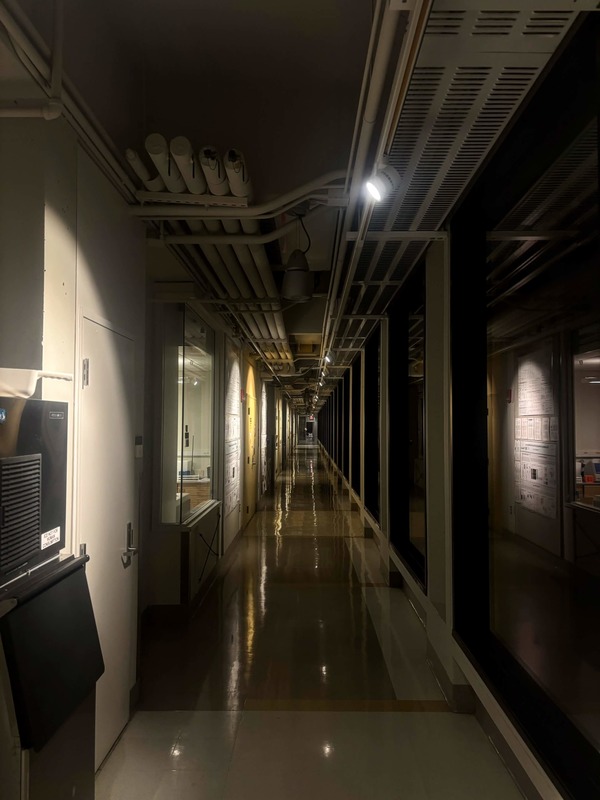
From 1 p.m. on Aug. 27 through 6 a.m. on Aug. 31, Building 18 — home to the Department of Chemistry — was shut down due to a report of potential dimethylmercury contamination. Blood tests and lab surface testing did not indicate exposure to the toxic substance; the building is open but under 24-hour card access.
According to the Institute’s official emergency response, a graduate student working in Building 18 “self-reported to a local emergency room and claimed to have synthesized dimethyl mercury.” Their blood test on Aug. 29 “show[ed] no sign of exposure to mercury.”
“Emerging information calls into question whether [dimethylmercury] was in fact synthesized,” the notice added.
Dimethylmercury is an extremely toxic substance, and exposure to low amounts of it — for instance, through inhalation or skin absorption — is known to be fatal if left untreated. In 1997, Karen Wetterhahn, a professor of chemistry at Dartmouth College, died of mercury poisoning ten months after two drops of the substance permeated her latex gloves.
In an email to the chemistry department, professor and department head Matthew Shoulders wrote, “MIT does not allow the purchase or synthesis of dimethylmercury.”
Initial response
Around 9:30 p.m. on Wednesday, Aug. 26, MIT Environment, Health, and Safety (EHS), the Cambridge Fire Department, and Pro EMS responded to the incident, which occurred on the second floor of Building 18 in the Wendlandt Lab. According to police radio logs, EHS shut down the second floor and the individual returned to their suite at Ashdown House following the incident, but was soon sent to Massachusetts General Hospital. Given the potential contamination, MIT Police quarantined their room that night.
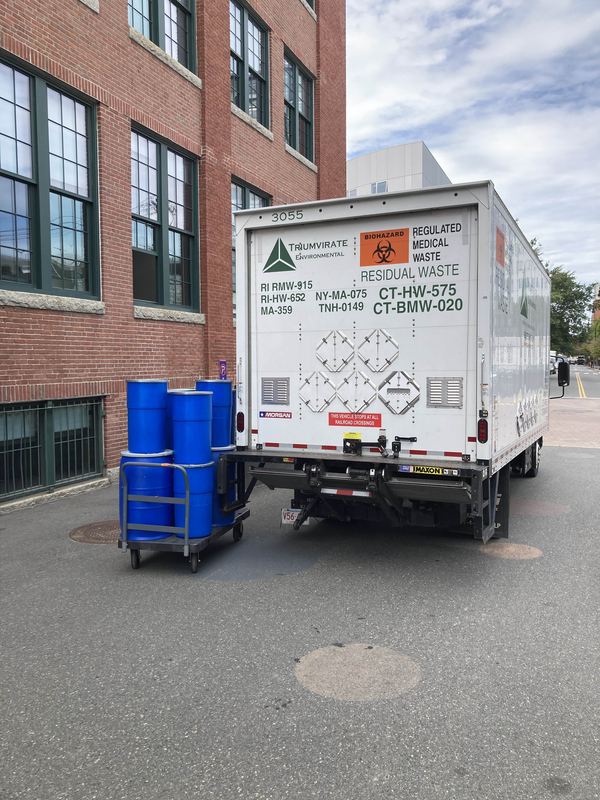
According to an email from Shoulders, hazardous waste management firm Triumvirate Environmental wiped down surfaces and safely disposed of items that were potentially contaminated overnight. The following day, on Aug. 27, the Institute shut down all of Building 18 to eliminate any possible remaining contaminants. Around 11 a.m., those within the chemistry department received an email that recommended surveillance testing to anyone who entered the lab the previous day, and MIT Health also offered testing to any individual who “spent more than a few minutes yesterday inside common rooms of the second and fifth floor of Building 18.”
Reopening of Building 18
Building 18 reopened at 6 a.m. on Monday, Aug. 31 after the completion of decontamination efforts. No blood test showed mercury levels consistent with dimethylmercury exposure, and while surface wipe tests of the student’s desk and fume hood in the Wendlandt Lab “tested positive for extraordinarily low levels of mercury,” the results are not “at all” indicative of dimethylmercury synthesis, according to an internal email from Shoulders.
Due to “increased interest,” Building 18 is currently on 24-hour card access until further notice. In an email to the chemistry department, Shoulders wrote that the graduate student who was involved has been banned from MIT’s campus and their card access has been disabled.
Speaking on behalf of Shoulders and the chemistry department, MIT spokesperson Kimberly Allen declined to arrange an interview with The Tech.
“While the building reopening is an important milestone, folks have been through a deeply challenging time together,” Allen wrote. “Everyone’s continued patience and kindness is deeply appreciated as the department moves forward.”
MIT EHS did not respond to requests for comment regarding future lab safety precautions.
This article was updated on Sept. 1 and Sept. 10.